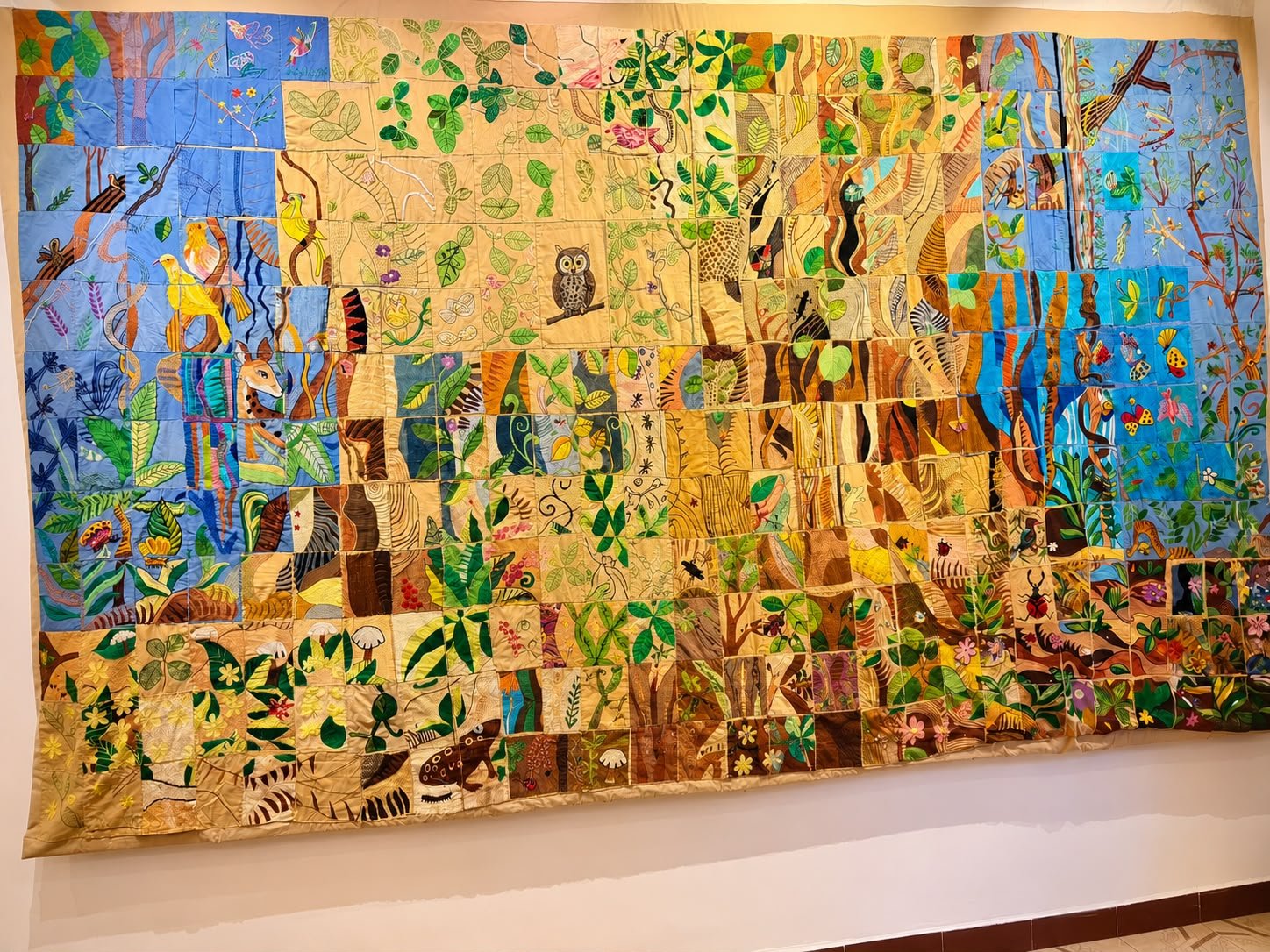
One look at the tapestry hanging alone on the wall and you are spellbound
by its sheer size; four meters by two meters. But when you move closer and examine each
individual piece you are mesmerized by both the detail, and the difference between the pieces
and yet how they seamlessly integrate with their neighbors.
The Banyan Tree is both art and the story of the endearing labour, patience and dedication behind
the making of this wonderful tapestry, that gives it a unique place in the wide world of art on
fabric across Goa, across India and even probably across the world.
It all began in 2013, when a group of women gathered at Peace Cottage, the residence of Eleanor
Viegas in Betalbatim, Goa, to create panels of what they imagined to be a glowing tree when
joined together. At that time, it was a modest endeavor of roughly four feet by two feet.
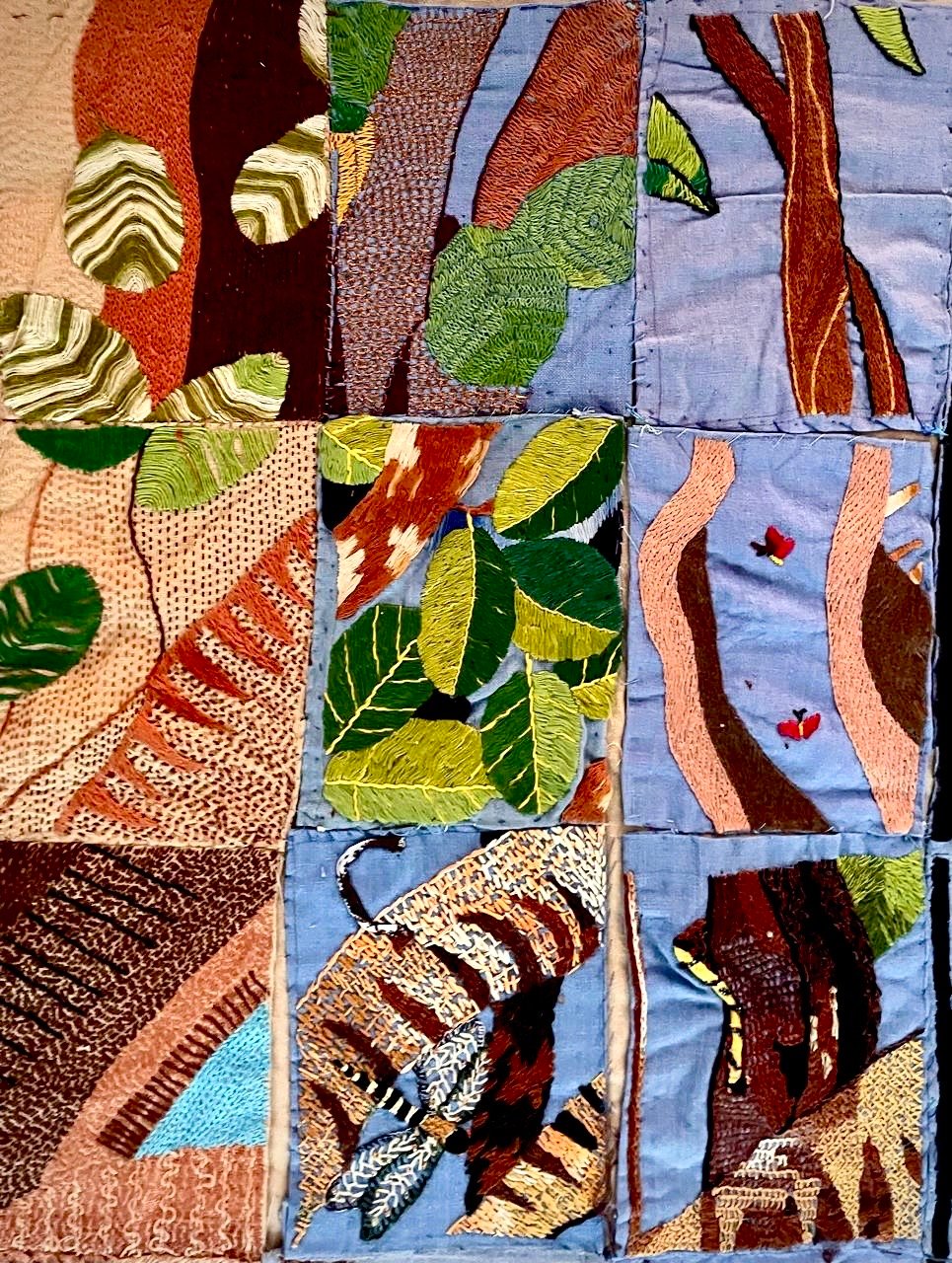 Figure 1: The first version of The Banyan Tree (2013)
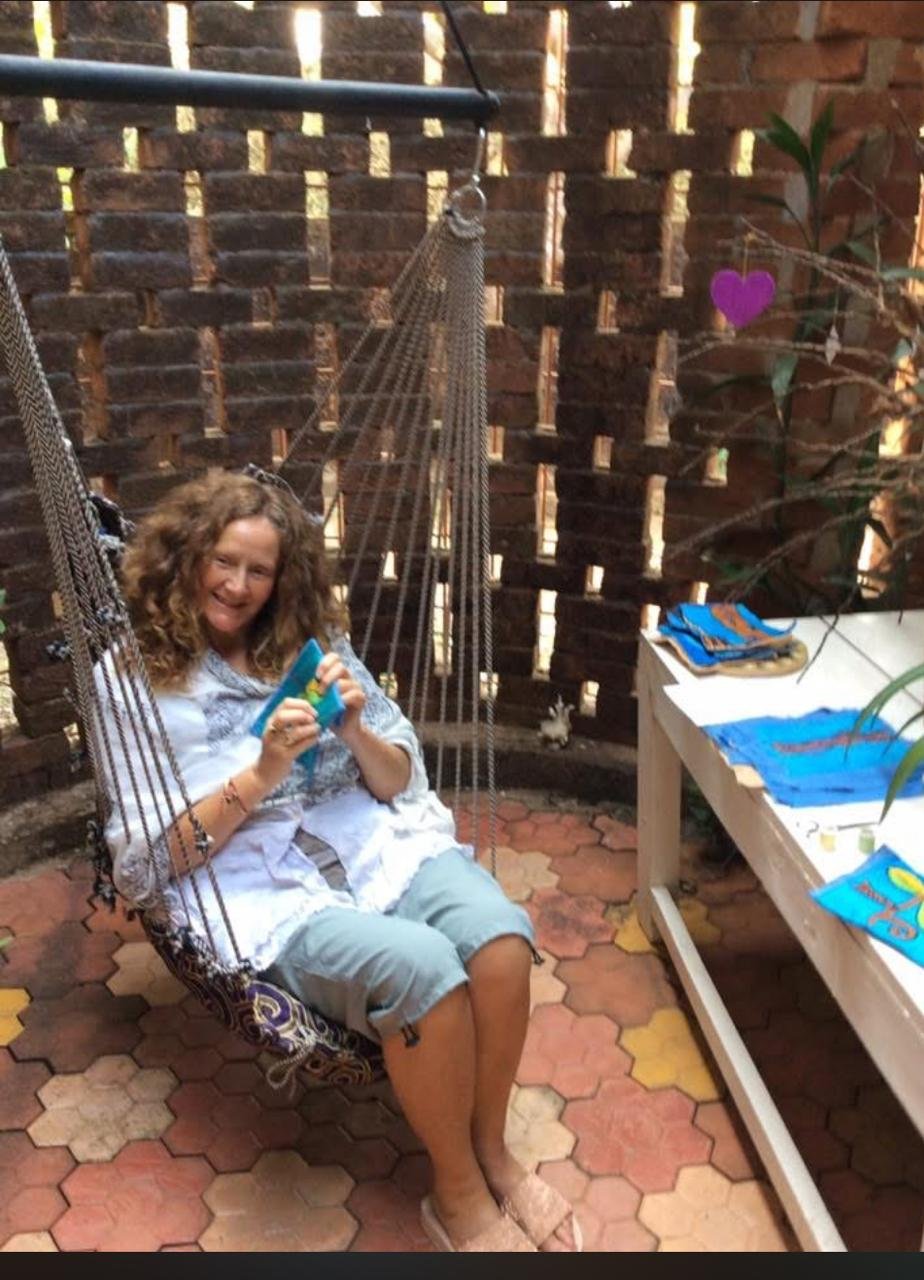
For the handful of women involved, the experience was both therapeutic and engaging. The
embroidery allowed them to relax, block out daily tensions, feel happy, find a sense of
achievement, and draw strength to face their personal challenges. The experience and joy of
looking at their collective creation left them wanting to do and be more.
Artist Girish Gujar, and husband of Jyoti who was part of the original group, offered to make a
drawing and divide it so that each section could be embroidered separately and then assembled.
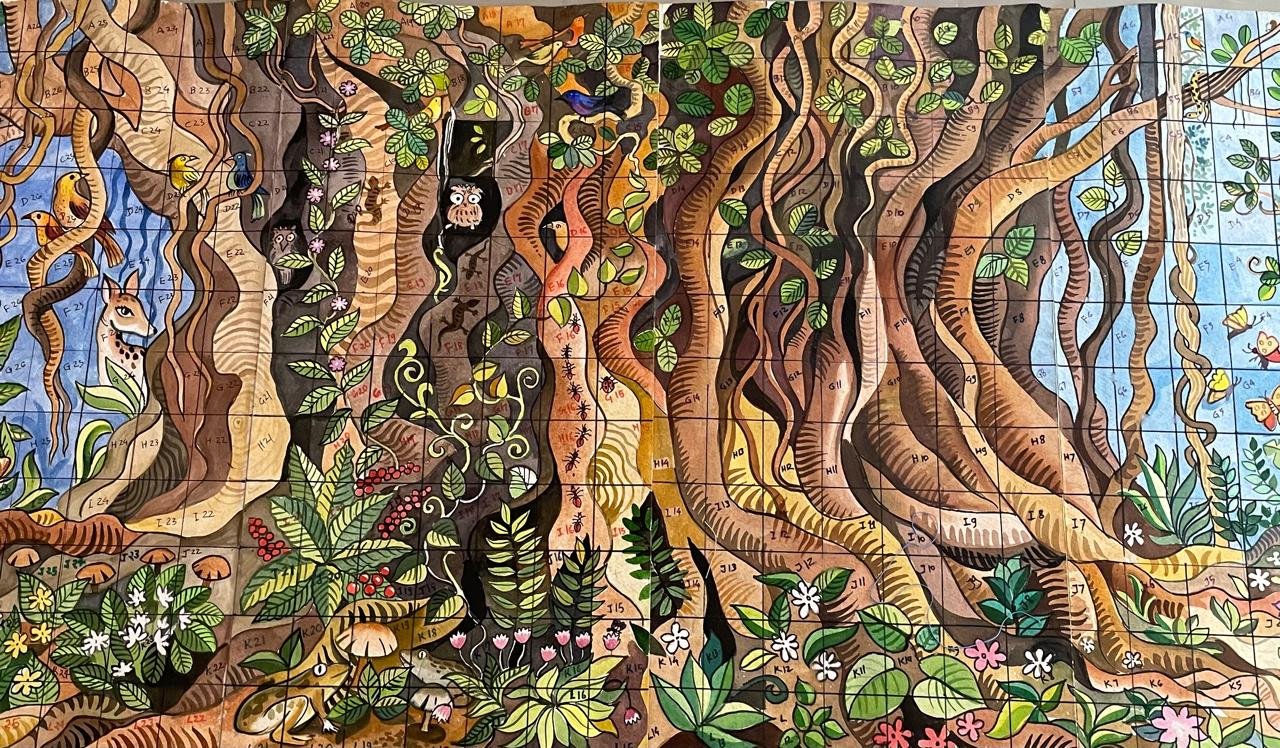 Figure 2: Drawing by Girish Gujar
The drawing was that of a root of a large banyan tree with its aerial roots intertwined around
it, forming a home and hiding place for flora and fauna. It was beautiful to say the least, but
the intricacy of each segment implied the need for a certain level of skill to create each
individual tile.
The drawing gave birth to the idea of ‘The Banyan Tree Project’, an endeavor to create a large
tapestry of many pieces. The drawing also formed the guiding theme for the overall artwork. Help
and inspiration came from numerous sources, far and wide. There was initial support from Sujata
Naronha at Bookworm and Rahila Khan in the Textile Department, Goa Government Polytechnic. Both
organized groups to participate and produce the initial set of patches that later inspired more
ladies to contribute. Regular workshops were held at Peace Cottage to keep the momentum going
and to provide overall coordination and the integration of the pieces.
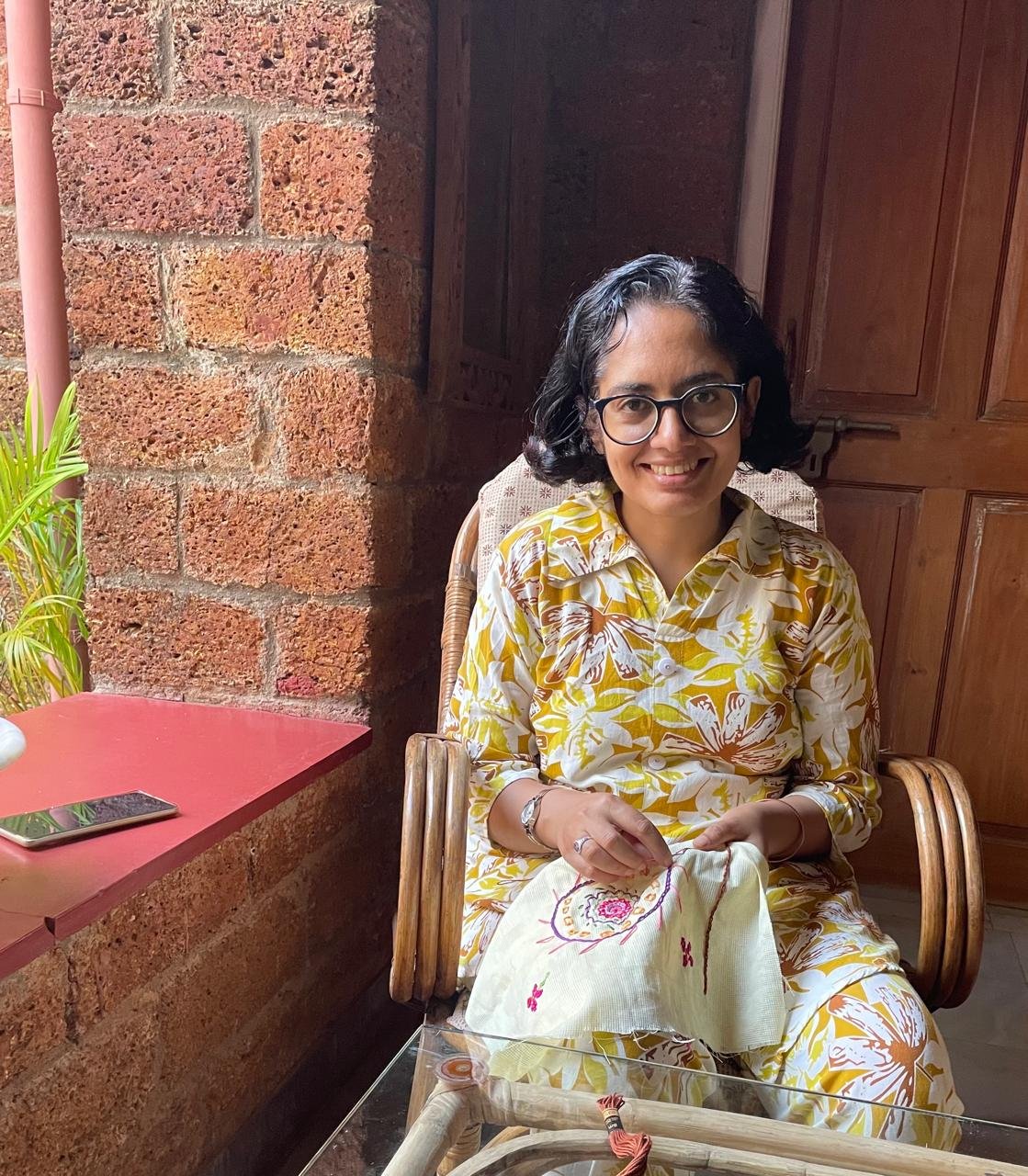
As people came and went, work slowed down but never stopped. Eleanor and her core team kept at it
with what time and effort and contributors they could work with. Even years later there was
always hope and belief that they would complete the artwork in its entirety.
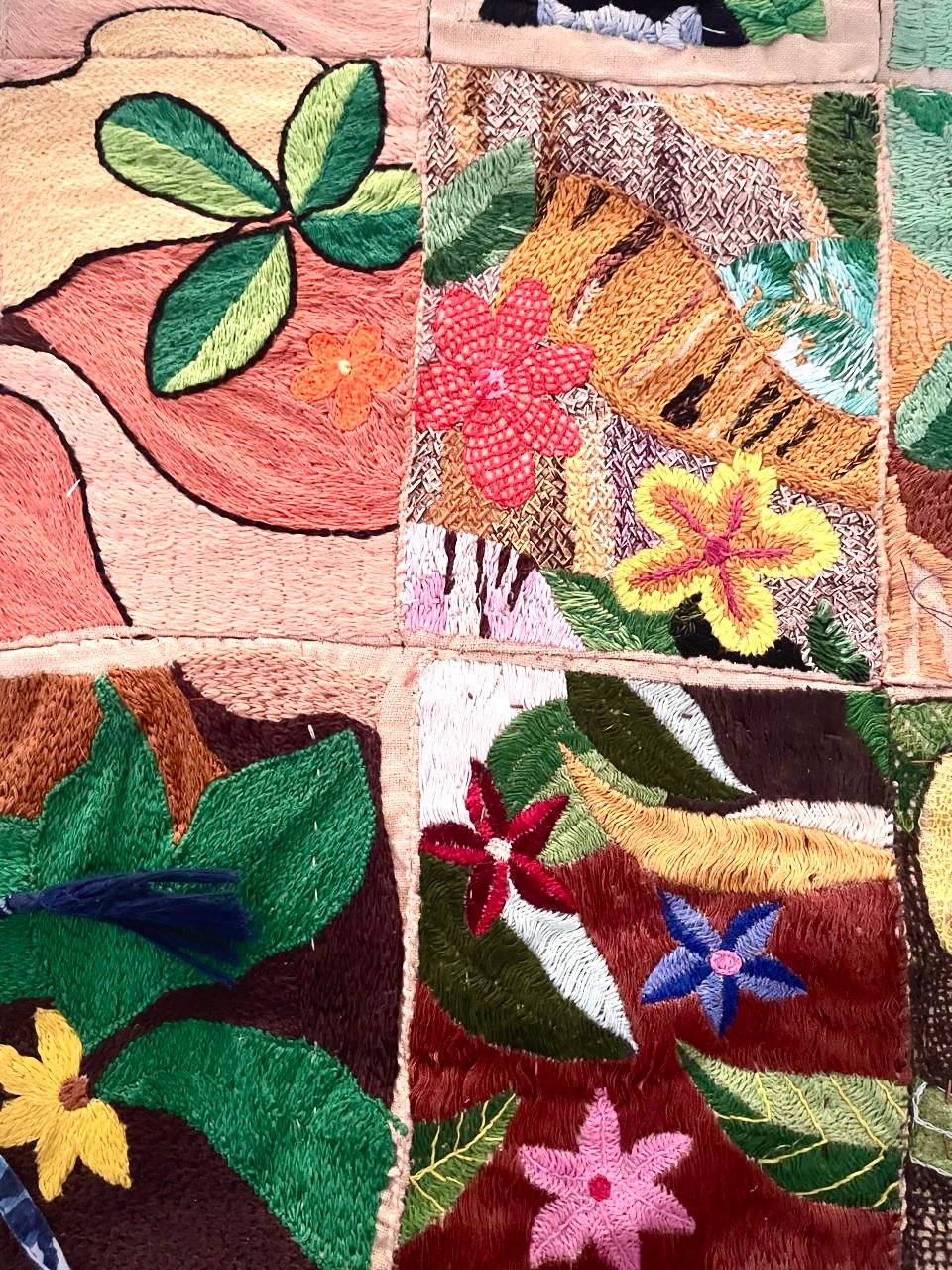 Figure 3: Eleanor with the work in progress displayed at
Serendipity 2023
Figure 3: Eleanor with the work in progress displayed at
Serendipity 2023
The Banyan Tree was first displayed publicly as a completed panel at Carpe Diem in the month of
March 2026, as part of the exhibition celebrating women, and their contributions to the arts. It
formed the centerpiece of an exhibition that delighted and informed audiences for an entire
month.
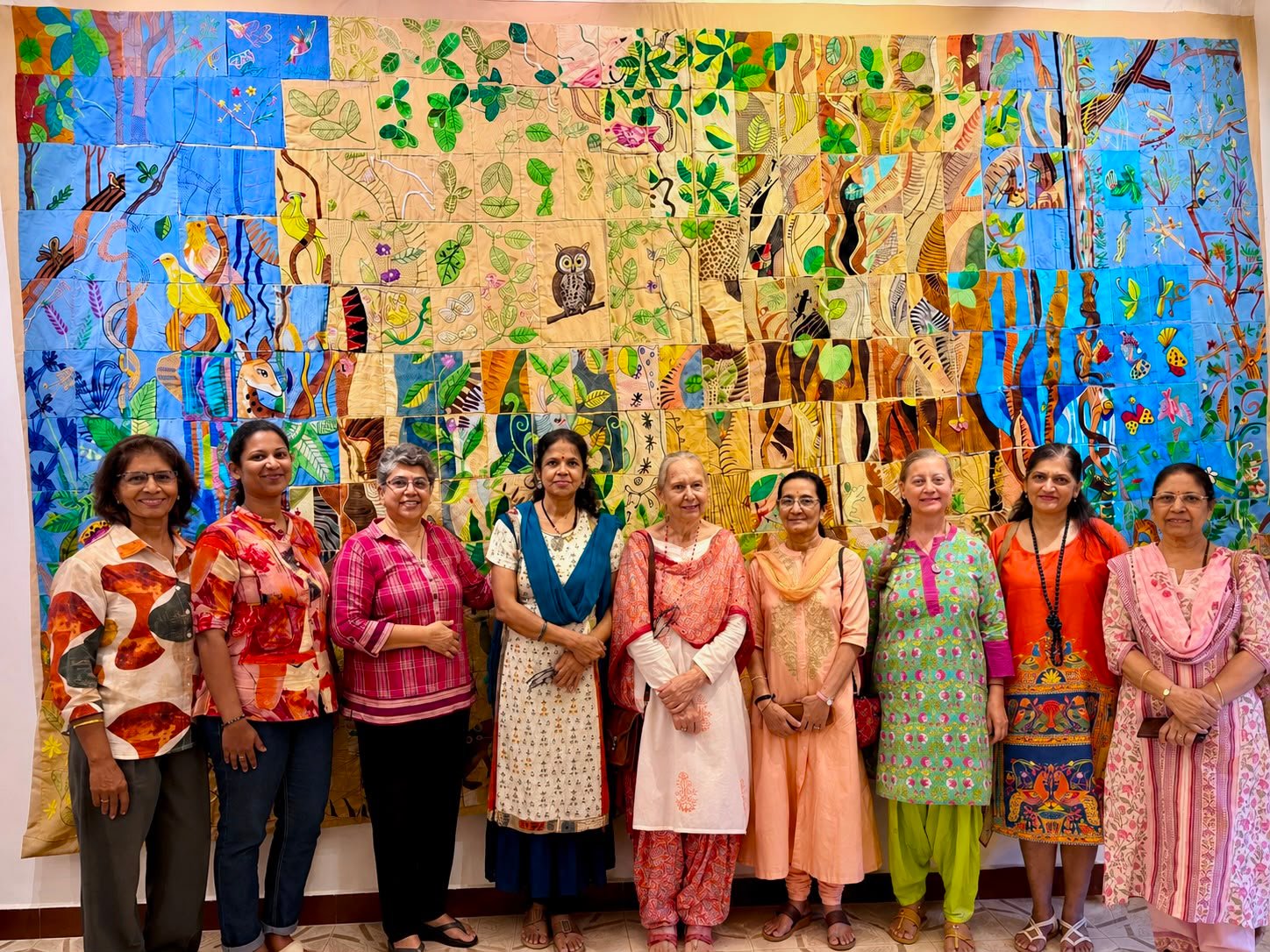 Figure 4: The Banyan Tree Project as displayed at Carpe
Diem
Figure 4: The Banyan Tree Project as displayed at Carpe
Diem
Eleanor and her team have a further idea that they are passionate about. Eleanor believes that
the concept is one that the world surely needs given the current times. The project envisages
bringing together traditions of working with thread and fabric from communities across the
world. Sewing pieces of a gigantic jigsaw puzzle, the project hopes to bring the lands and the
peoples closer together.
To help her get started on this endeavor, she has already set up a very basic website. Through
the site she means to talk about The Banyan Tree Project to a wider and larger audience. The
site will also be a small step towards making the next project a living, breathing reality. The
site will be used to plan and then execute a global tapestry, with contributions coming from far
and wide.
The team’s collective dream may be of a scope not attempted before. But if hands join, bringing
in skill, effort, contributions, then that dream will surely come alive.
To speak with the team or join this growing project, send an inquiry
or email directly to info@thebanyantreeproject.org.